Casa Pescara
Parquet · 3 min
Routine parquet cleaning in Pescara
Remove sand and dust, deal with spills and use the cleaning method specified for your floor finish.
Identify the finish before choosing a cleaner
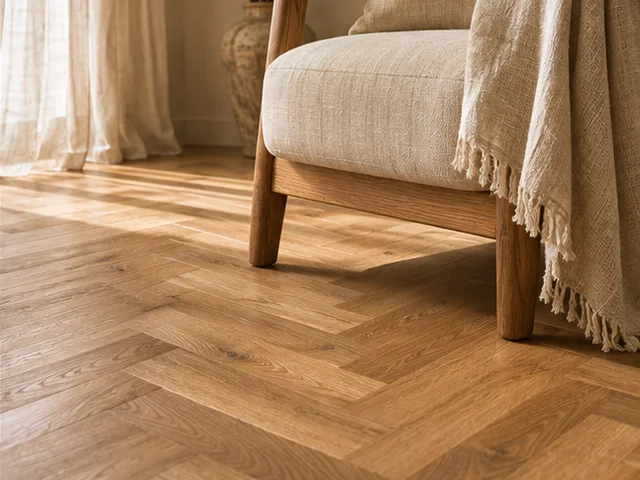
Find the care instructions supplied with the parquet or ask the fitter to identify the product. Maintenance depends on the finish. Lacquered, oiled and other treated surfaces can have different requirements. If the floor was already there when you bought the home, gather photographs and paperwork before applying a treatment. A less exposed spot may help a professional recognise the appearance and condition of the wood. Keep the recommended cleaner reference, dilution instructions and any maintenance intervals with the product sheet. Identify places where the floor has a different finish, such as a room repaired later or a neighbouring area of tile or stone.
Catch grit at the entrance
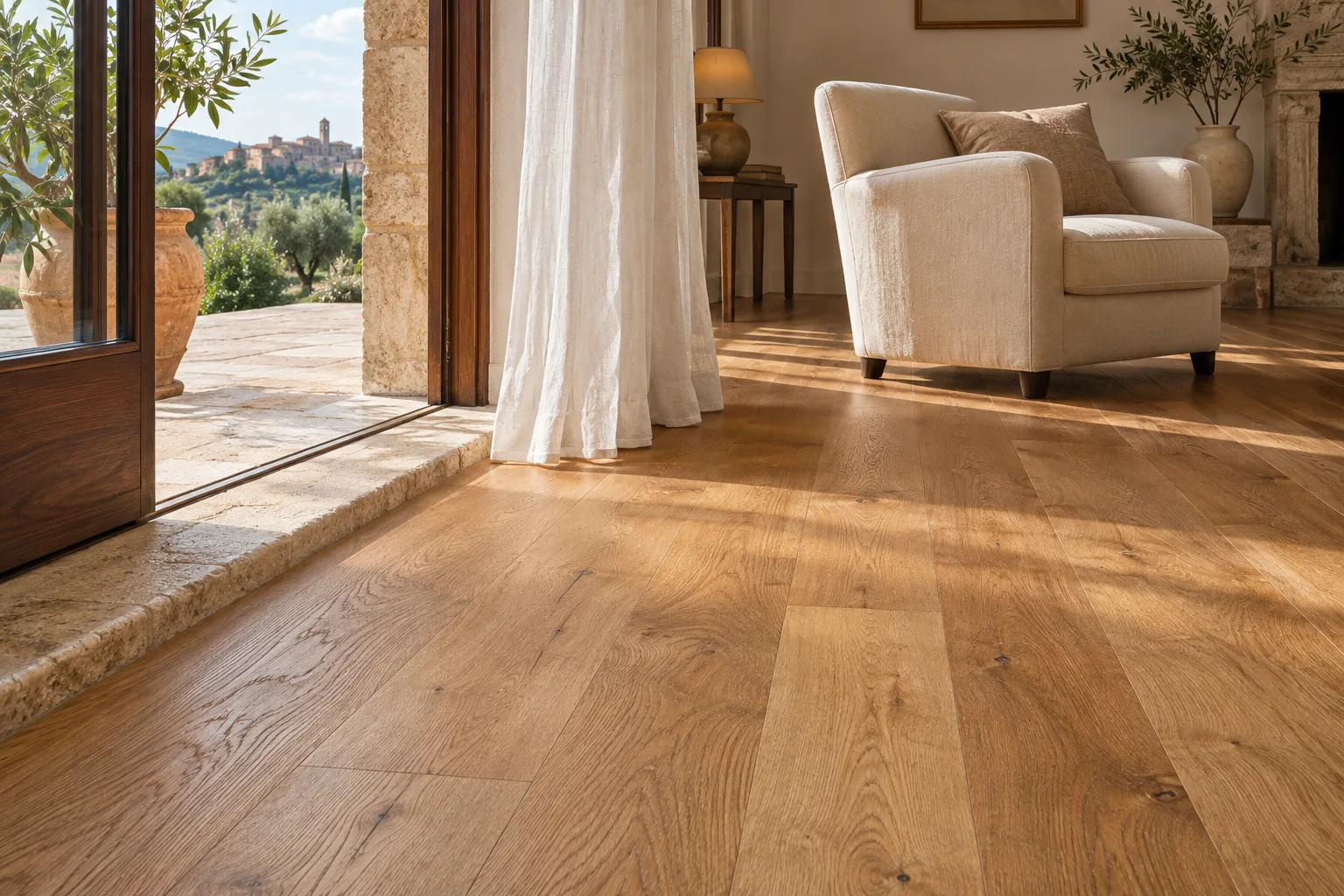
In a home in Pescara, shoes can carry small grains in from a terrace or outside path. Check these entrance areas before dirt is carried into the hall and living room. Keep the doormat clean and check whether its material and backing suit the parquet instructions. For dry cleaning, use a tool suitable for wood and look for particles trapped in the brush, cloth or wheels. Pay attention to the edges and spaces under low furniture, where grit can collect. Remove loose particles before using a damp cloth if the instructions allow one. This sequence limits the chance of dragging small pieces of grit along the boards.
Clean in sections and deal with spills promptly
When the floor needs more than dry cleaning, follow the finish manufacturer’s method, including how to prepare the cloth and which product is allowed. If the instructions call for a slightly damp cloth, wring it out well and work in small sections. Pick up spilled water promptly and dry the area, particularly around joints. A persistent mark or patch that stays damp calls for investigation. Near a plant, check the saucer and any protective layer. By a glazed door, note when the mark appears. For a liquid that can stain, read the care sheet before trying a solvent or rubbing repeatedly. If you need help, describe what spilled and which products you have used.
Distinguish dirt, marks and wear
Look at the area in even light and compare it with a neighbouring section. A surface deposit can look different from a scratch along the route of a chair or a dull spot in a busy walkway. Photograph the detail and note when you first saw it. Ask whether the manufacturer specifies a stain removal method or a maintenance treatment for the finish. Before trying a product, check which finishes it is meant for and whether the instructions suggest a test. If a mark keeps returning in the same place, look for a cause such as a missing chair pad or a particle caught under a rug.
Match the routine to the household
Dry clean busy routes more often and periodically check where drops or soil tend to collect. Make sure anyone helping with cleaning knows which cloths and products to use and whether certain areas were finished differently. Before moving furniture, check that its feet and protectors are clean and suitable. Keep the maintenance sheet and a photograph of the finish reference somewhere easy to find. If the room changes use, a pet joins the household or you use a different rug, review the cleaning route. A useful routine reflects the dirt and moisture that actually come into the home and how each area of flooring responds.
How we prepare the guides: sources and illustrative scenarios