Casa Pescara
Parquet · 3 min
Worn parquet in Pescara: assess marks before renovating
Scratches, dull patches and marks on parquet. Gather photos and product details to discuss the condition of your floor and a focused renovation.
Compare the floor under consistent conditions
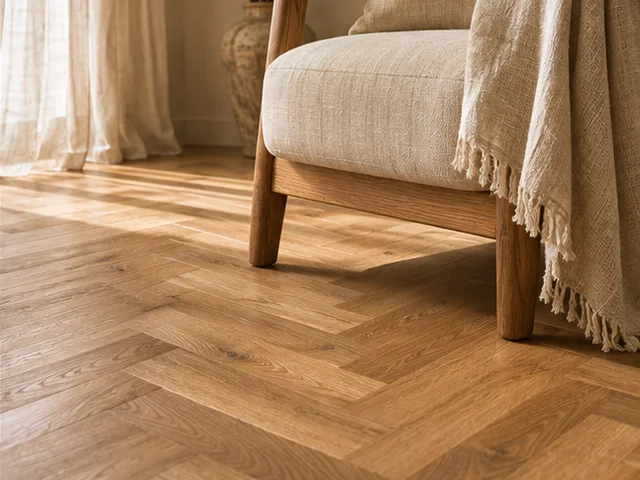
Before deciding how to renovate worn parquet, spend some time identifying exactly where the marks are. Look at the floor when it is clean and dry, first in diffused daylight and then with light coming across it from the window. The same patch can appear very different from another viewing angle. Photograph it in both conditions and include a wider view of the room. In a Pescara apartment, a large window may illuminate one part of the living room much more strongly than the rest. A comparison helps explain the concern without assuming that the entire floor needs the same treatment. Avoid applying a polishing product immediately before the visit, as this can change the surface the contractor needs to assess.
Collect the material’s history
Find any invoices, retained packaging and product information sheets. The flooring name, its finish and the original maintenance instructions are particularly helpful. If you bought the property with the floor already installed, record what you know and identify the missing information. A spare board may help the contractor recognise how the flooring is constructed. Materials that look similar from above can have different structures and allow different types of repair. Ask for the material and its condition to be checked before accepting a proposal to sand the floor. Include details of previous surface treatments, repairs and changes you have noticed over time. The purpose is to give the assessment a reliable starting point, even if the original documents are incomplete.
Describe the marks without assuming a cause
Make a simple room plan and mark the affected areas. Distinguish fine scratches, dents, colour changes and board edges that look different from nearby sections. If a mark appeared after furniture was moved, record that event. If you do not know when it appeared, say so. The contractor can then consider which checks are needed and whether the source of the problem is still present. Highlight areas that are changing quickly or coincide with a known water leak. The first step may involve addressing that cause with another professional before discussing the appearance of the timber. Clear observations are more useful than a diagnosis based solely on an online photograph of a similar floor.
Compare the work and its likely appearance
At the survey, ask what a local repair can reasonably achieve and which differences may remain compared with the surrounding boards. A replacement board may look different from a surface that has been used and exposed to light for years. Clarify whether furniture must be moved, how much clear space is needed and which routes through the property can stay open. If a more extensive treatment is proposed, discuss thresholds, skirting and connections to adjoining rooms. The quotation should identify the affected area and the agreed outcome. This allows you to compare a focused repair with work across the whole room in terms of your actual priorities, practical access and the appearance you are aiming to achieve.
Keep a record for the next maintenance decision
Agree how the finished work will be reviewed and what instructions to follow before returning furniture and rugs. Request written guidance on products compatible with the finish that was actually applied. Keep the initial photographs with the quotation and a description of the completed work. These records can help if you later renovate another room or need a replacement board. At handover, view the treated areas from the places where you normally use the room, including beside the sofa and from the entrance. Record any observations with a clear location. Comparing the agreed areas with their initial condition makes it easier to discuss the floor’s appearance and decide how to care for it during everyday use.
How we prepare the guides: sources and illustrative scenarios