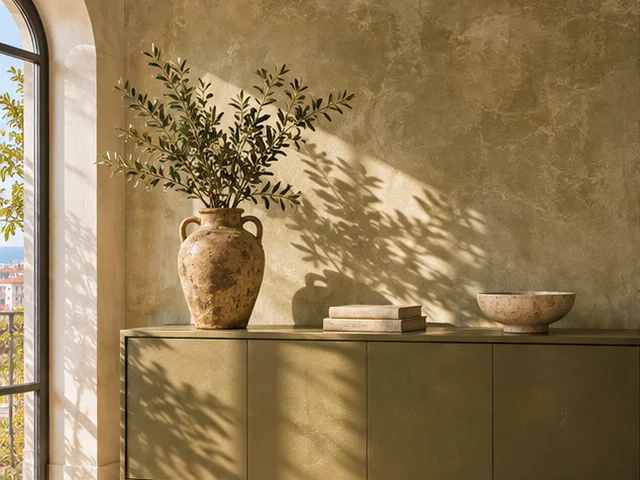
Casa Pescara
Painting · 3 min
Matte or satin paint for walls in a Pescara home
See how reflections and texture change between matte and satin by testing samples of the same colour in your room.
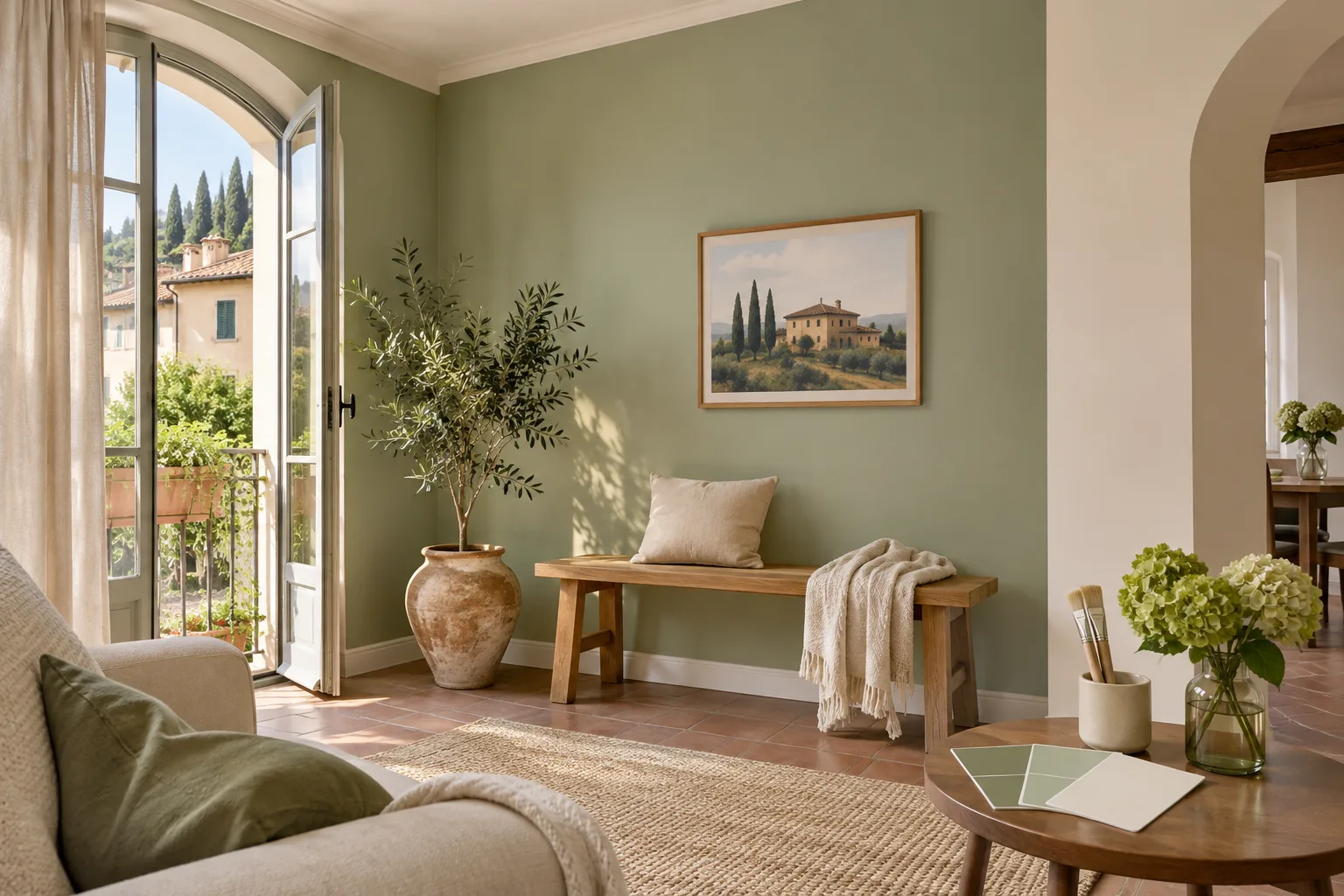
Compare the same colour before changing shade
View both finishes under the room’s light, compare how they show imperfections and handle upkeep, then choose surface by surface. To judge the finish, start with two samples in as close a colour as you can find. If you compare dark satin with matte white, it is hard to tell which differences come from colour and which come from the way light reflects. Use dry samples and label them clearly.
Ask which product each sample represents. Finish names can differ between ranges. Keep samples with your selection notes and record whether they were painted on the wall itself or on a board, because texture and substrate affect what you see.
Change where you stand
Look at the finish head-on and then along the wall. Watch it as you walk from door to window. A reflection can show from only certain angles and may stand out with a nearby lamp. For a room mainly used in the evening, repeat the comparison with the light on in its usual position.
Look where shadows change too, for instance beside a recess or wardrobe. In Pescara, a balcony can filter daytime light and leave the wall lit mainly by a floor lamp at night. Try both conditions before deciding which surface you prefer. If the lamp is adjustable, try its everyday position and then move it to see which area it highlights.
Assess the texture underneath
Find a smooth area and one with patches, shallow dips, or marks from previous finishes. Ask for a sample that represents what will remain after preparation. A more reflective paint can change how visible unevenness is, especially where light runs almost parallel to the wall.
Discuss whether you want to keep the plaster texture or create a more even look. Identify where the difference matters, such as a bare wall behind the table or a stretch covered by shelving. Preparation can be chosen after looking at that particular area with the proposed finish.
Consider cleaning using product information
For a wall that is touched often, compare the cleaning and care guidance for the products. Look for instructions on waiting time, cloths, and compatible cleaning agents. Sheen describes appearance and is not enough to establish how a coating will respond to the cleaning methods used in your home.
Record which areas touch chairs or furniture and which get splashes. Consider a specific solution where exposure is greatest and check whether you like the junctions between products. On a wall that continues without a break, test the finish at the proposed transition point.
Approve finish and colour together
In the summary, record product name, colour code, finish, and surface. If the same colour will be matte on a wall and satin on a detail, mark the boundary on a photograph. Before going ahead, look at the sample next to the skirting, door, and any objects that will stay.
At handover, check the wall from the viewpoints you tested and under the same light. Keep the dry reference and care instructions. If a touch-up is needed, whoever assesses it can start with the actual finish and the way the wall looks in the room.
How we prepare the guides: sources and illustrative scenarios