Casa Pescara
Painting · 3 min
How to prepare walls before painting in Pescara
Learn where cleaning, repairs, or checks on the existing surface are needed before applying a new colour.
Examine the wall closely and from the side
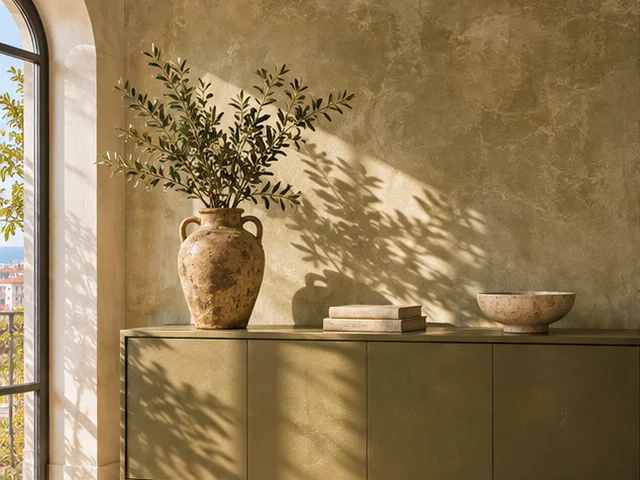
A wall is ready for paint when its cleanliness, surface condition, and repairs have been assessed. Learn what to look for before choosing how to paint it. Open the curtains and look at the surface from two angles. Light travelling across the wall can reveal shallow dips, old fixing holes, and differences between a repair and the plaster around it. In your notes, distinguish marks you only see up close from those that catch your eye every time you enter.
Mark areas that pick up different kinds of dirt too. There may be grease near the hob, scuffs behind an armchair, or a different kind of staining along a sill. A photograph that shows the location helps you discuss what each part of the wall needs before painting.
Tell surface blemishes from issues that need investigation
A hole left by a picture and a patch of peeling paint tell different stories. Mark where paint detaches, whether a stain returns after rain, and whether its size or appearance changes over time. Bring older photographs if they help establish when the condition changed.
Avoid assuming new colour will fix what is happening below the coating. If a patch returns or shows signs of damp, ask for the cause to be assessed before refinishing. The decision about treatment depends on the conditions found and the material that forms the wall surface.
Decide how even the wall needs to look
Discuss the difference between filling individual marks and levelling a wider area. A local repair may be enough behind a bookcase, while a bare wall with side lighting can draw attention to transitions between old and new surfaces. Bring a photograph taken when that difference is most visible.
Ask how corners, edges, and the perimeter of the repair will be handled. For a prominent wall, consider a small sample that includes the transition between filler and the existing surface. Look at it when dry and under the lighting the room will have after work.
Agree cleaning, products, and protection
For cleaning, describe any materials you can identify and point out previous touch-ups. The painter can assess the existing surface and choose compatible products using the manufacturers’ instructions. If a surface remains dusty or has residue, ask how it will be checked before anyone moves on to primer or paint.
For work that creates dust, agree where protection goes and what needs moving out of the room. A floor covering must suit the surface underneath and the route used by the team. Establish who will handle furniture that cannot move and when removed items can be reinstalled.
Review preparation before painting
Where possible, agree on a check between repairs and painting. Look at the areas you flagged with the initial photographs and record any points still visible. Ask the quote to specify the preparation included for each room so a reader can tell local repairs from wider work.
For a painting project in Pescara, a sheet recording the location and history of issues, along with your desired finish, gives the visit a practical starting point. Keep the references for products used and surfaces treated. They will help you understand where and how to approach future touch-ups.