Casa Pescara
Painting · 3 min
How to choose white wall paint for a home in Pescara
See how whites change beside wood, doors, and ceilings, then record the right code for each surface you intend to paint.
Take your cue from existing whites
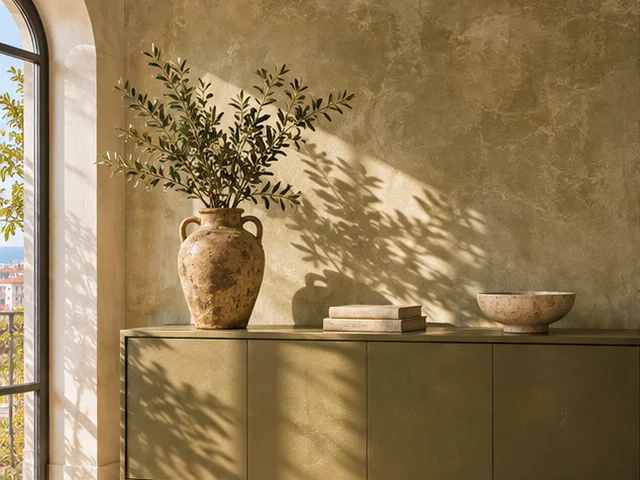
Compare undertones in the room’s light and check how your white works with doors, ceilings, furniture, and timber flooring. Look first at the items that will stay. An ivory door, neutral skirting, and a white cabinet may look similar on their own and quite different when placed together. Decide which surface will set the reference. If you have white kitchen units, hold the samples beside an installed door in the actual room.
Consider elements that do not initially register as white. A stone worktop may have grey veining, a timber floor may reflect golden tones, and a curtain can filter tinted light. Set up a test that lets you see the white in the company of those surfaces.
Distinguish undertone, light, and finish
Set a neutral sample beside two alternatives and see which looks warmer or cooler in that room. A direct comparison makes it easier to identify an undertone that is hard to describe alone. Use dry samples with a comparable finish, because differences in reflection can change how the colours appear.
Then move the comparison away from the window and check it with the lamps you intend to keep. In Pescara, light coming through a shaded balcony or a narrow street may produce different effects even in adjacent rooms. Repeat the test where the choice matters most.
Decide how walls and ceiling should relate
Decide whether you want a visible line along the ceiling or a more continuous transition. Place two samples in their actual orientations, one vertical and one horizontal. The same white can appear different on the two surfaces because they receive light from different directions. View them from where you normally enter the room.
Look at the edge near beams, corners, and window reveals. If you are keeping an existing white ceiling, judge its current colour, which can differ from your memory or the original code. A sample placed at the junction gives you a clearer idea of what the transition will look like.
Test whites where rooms meet
With the doors open, look at the white from the hall. Two rooms can work with different whites when each has distinct flooring or lighting. Where walls form one continuous view, show the painter exactly where one colour code should stop and the other should begin.
Try the relationship with the door open too. The nearest surface changes as the door swings, which can make its contrast with the wall more noticeable. A photograph of the junction helps specify whether the reveal will be painted or left in its existing finish.
Record the white you approved
Record the code, product, finish, and surfaces for every room. If the bathroom uses a different product from the living room, check a sample of each even when they carry the same colour code. Ask for a dry reference sample you can retain for future comparisons or touch-ups.
Before extending the paint throughout the property, choose a place to review it beside the adjacent finishes. Look at it under normal room lighting, up close and from the doorway. If you change your mind, communicate the change promptly and update the sheet before the next batch is prepared.