Casa Pescara
Painting · 3 min
Choosing colours for a child's bedroom in Pescara
Involve the child in the choices, test colour around play and study areas and allow the room to change over time.
Give the child choices you are ready to use
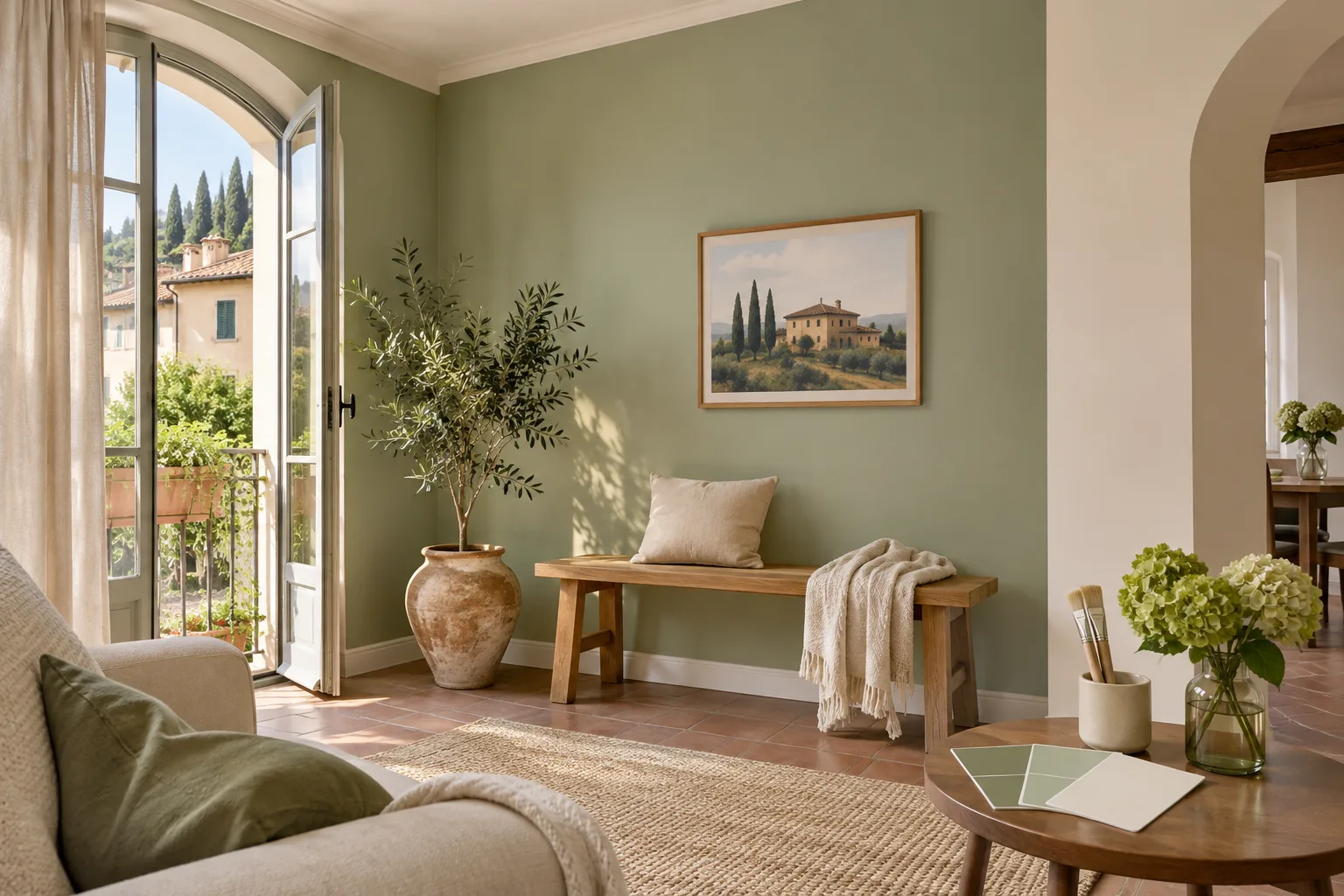
Choose a small group of samples that already work with the floor and furniture. Ask a concrete question, such as which one they would like to see beside the bed or behind their desk. If a vivid colour is their favourite, try it on a smaller area or an item that can be changed easily. Show a larger example so they can see what happens when a favourite colour fills more of their view. In a Pescara bedroom with daylight from one window, look at the sample near the window and at the opposite end. Have the conversation in the light the child normally uses. Ask what the colour makes them think of or which part of the room they associate with it. That can tell you more than its name.
Look from the child's usual height
Sit beside the bed and look from the place where the child plays on the floor. Notice which part of each wall is actually in view and whether a glossy piece of furniture reflects the lamp. If the room is also used for homework, draw the sleep and study areas and test the colour in both. A feature that looks prominent from the entrance may disappear behind the desk. A narrow strip can fill much of the view from the bed. Put the lamp, bedding and a few treasured objects beside the sample. If there will be a place for drawings, mark its boundary and check where the child can reach. Use a movable paper outline so you can adjust its position while the room still has its usual furniture.
Plan for wear and for the work itself
Look at the points where chairs, bags and toys make contact with the walls. Tell the decorator how those areas are normally cleaned and ask for the care instructions for the proposed products. Show any adhesive marks or old fixing holes while there is time to assess the surface. Set aside books, clothing and toys needed while the room is out of use. Ask when it will be ready again and when shelves or furniture can be returned. Photograph any fixings that will be kept and make sure a rail or cabinet will not cover the feature the child helped choose. Keep the positions of future hooks or shelves on the drawing. As the room changes, that drawing can help you reuse or avoid an existing fixing instead of looking for it after a wall has been painted.
Allow part of the room to change
Decide which finishes you want to live with for a long time and which choices can change when the room is rearranged. Keep the samples and a few photos so you can revisit the plan if a larger desk arrives or the bed moves. After painting, look at the room with the child and ask where they want to put their things. Leave a place where drawings, toys or books can move without new work on the walls. Keep the exact paint and finish reference for each area. When the room changes, you can use it to discuss a small repair or compare a new colour with the paint you intend to keep.
How we prepare the guides: sources and illustrative scenarios