 Casa Pescara
Roofing · 4 min
Roof leaks in Pescara: what to observe before a survey
Record rainfall, the location of marks and when they change to help the surveyor trace water through the roof.
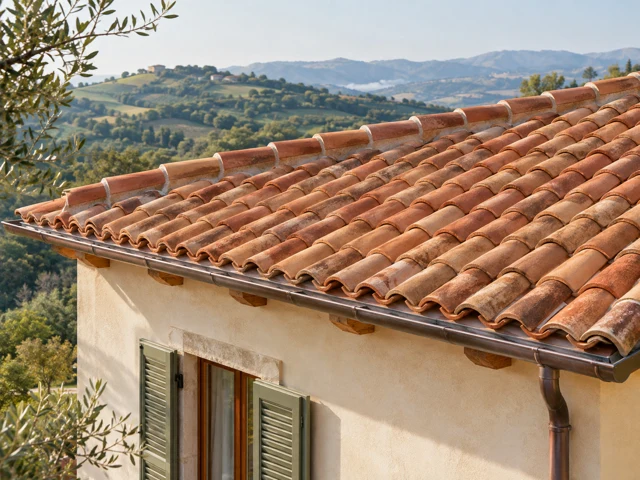
The mark returns when it rains with wind
Illustrative scenario, not a completed project.
In a Pescara loft, someone sees a mark by the door during rain and strong wind. On the day of an initial check, the ceiling looks dry. A second photograph from the same spot after later rain shows the mark extending towards the hall. The owner considers calling the decorator straight away. They put both pictures together and mark the chimney on the plan instead. They ask the surveyor to examine the possible water route before ordering paint. In the imagined case, the decision is about which check comes first. The photographs provide a timeline while the source of the water remains open.
Mark the first place where you saw water
A ceiling mark tells you where water became visible indoors. The entry point may be somewhere else because water can travel along a roof layer, an inclined member or the edge of an opening. Photograph the area from within the room and include a reference such as a corner or window opening. Note whether it is near a chimney, an external wall or a doorway between rooms. Record which floor it is on and what sits above it, if you know. In a Pescara flat, a simple plan with the affected ceiling marked often communicates the location more clearly than a collection of close-up photographs.
Reconstruct what happened before the mark appeared
Write down when you first saw the stain and whether it changed during or after rain. If it returns, compare the timing with the duration of the rain and the presence of wind. A mark that grows during dry weather may call for checks on other water sources or moisture conditions in the home. In a loft, note when the heating is on, how the rooms are ventilated and where you have seen droplets. A dated picture from the same spot can show changes even if the surface has dried by the day of the survey. Keep the mark visible long enough to record its shape and extent before arranging any painting.
Ask about the places that interrupt the roof surface
On a pitched roof, the surveyor can compare the mark with the positions of rooflights, chimneys, gutters and service penetrations. On a flat roof, they can check outlets, upstands, joints and thresholds. The roof form and its condition will guide the inspection. Collect photographs from earlier work and note anything added since then, such as an aerial or roof window. From the ground, report what you can see and leave roof access to the people arranging the survey. They can decide how to inspect the roof and which details need a closer look. If the ceiling is distorted or water reaches electrical equipment, stay away from the area and report it promptly to the appropriate professional.
Check that the proposal addresses the route of the water
After the survey, ask what evidence supports the diagnosis and whether an area still hidden needs further investigation. Have any temporary measure identified separately from the proposed repair and ask how the result will be checked. If the problem appears to involve flashing, find out which adjoining details will be examined and how the repair joins the rest of the roof. If an outlet is involved, ask how the route to the discharge point will be checked. Note which areas should be monitored. A clear proposal connects each operation to a particular part of the roof or building, so you can see why it is included.
Wait until the surface is ready before redecorating
After the repair, ask when drying will be checked and who will assess the plaster, finishes or materials that stayed damp. The colour of a stain may remain visible after conditions have changed. Have the surface assessed and keep the photographs from different stages. When it rains again, note any changes compared with the earlier images and share them with the person following the job. Before painting, confirm which preparation suits the ceiling and when it can be carried out. Keep the location, diagnosis and check records together. If another mark appears nearby, you can see which details have already been investigated and what may still need examination.
Pescara · Distance and local guide coverage ↗
How we prepare the guides: sources and illustrative scenarios