 Casa Pescara
Roofing · 4 min
Seasonal roof maintenance in Pescara
Plan observations and professional checks around exposure, roof history and safe access.
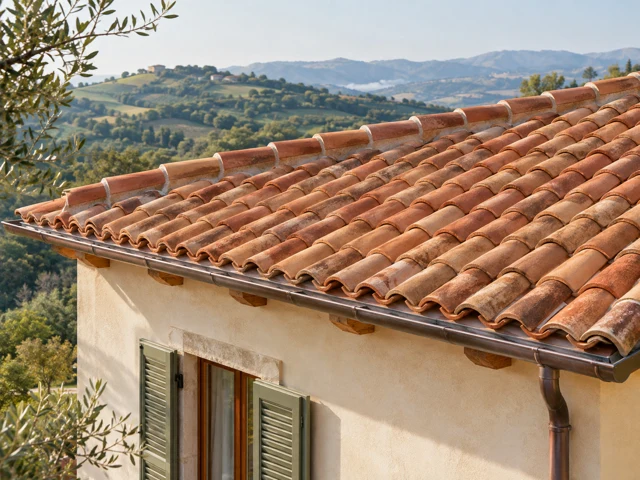
The same viewpoint records two different autumns
Illustrative scenario, not a completed project.
A Pescara household keeps a picture of the gutter taken from the yard after an earlier inspection. The following autumn, a branch is closer to the roof and small fragments appear on the ground after wind. They compare photographs from the same place and update the plan while staying clear of the suspect area. The maintenance contact asks which parts were repaired before and which changes are recent. They bring the planned visit forward and leave access and inspection to the people responsible. The seasonal record is useful because it shows a change as well as reminding them that a check was due.
Build a reminder around your home
Take a picture of the roof from a safe place and mark slopes, gutters, outlets and anything projecting above it. Add places where you have seen overflow or water marks before. For a Pescara home, note nearby trees, any side exposed to wind and terraces used frequently. A professional can advise on checks that suit those conditions, the materials and the repair history. Set a date to review the reminder and identify who to call about work at height. For a shared roof, agree who keeps records and how someone can report a change they can see from their home or the yard.
Revisit known problem areas before wet weather
Look back at previous photographs and see whether anything visible from the ground has changed. A leaking downpipe, overflowing gutter and indoor mark each need their own description. Ask whether it is time for a professional to inspect collection points and repaired junctions. Mention trees that have grown near the roof and any changes to access. A scheduled inspection can take place before a fault becomes apparent in heavy rain. Leave access decisions, cleaning at height and surface inspection to the people assigned to the work. From street level you can report the location, time and nature of the symptom without trying to reach it.
Report changes after strong wind or storms
From a safe place, see whether there are fragments on the ground or a visible part appears out of position. If you suspect a piece could fall, stay away and notify the building manager or an appropriate professional. Indoors, note new marks or noises and what the conditions were when you noticed them. Leave confirmation of the defect to the surveyor. A comparison picture may reveal a small change in the roof line. Record whether the event affected one slope or several sides if that can be established from safe observations. Keep the date with the images so they can be compared with earlier conditions.
Use drier periods to arrange planned work
If the survey identifies a part that needs attention, ask when it can be scheduled and what weather conditions are needed. Roof work can depend on safe access, protection below and the supply of compatible parts. If another project affects the elevation or drainage, ask the coordinator whether the jobs can be planned together. For a terrace in everyday use, clarify when it needs to be cleared and how indoor routes will be protected. A useful programme distinguishes checks, urgent repairs and operations that can wait for parts or suitable conditions. Have the location and reason written beside each item so the sequence is clear.
Update the record after every visit
Add the date, areas checked and photographs to the record. Note any parts that remained out of sight and checks that need repeating. After repair, retain the material reference and detail of the place repaired. Use the same plan at the next inspection so the discussion starts with known locations. If the home changes owners or managers, pass on a readable record of work and recommended inspection dates. Seasonal maintenance is more useful when it captures actual changes. Comparing rainfall, pictures and work over time helps distinguish a recurring fault from a new one and shows which professional should look at it.
Pescara · Distance and local guide coverage ↗
How we prepare the guides: sources and illustrative scenarios