 Casa Pescara
Roofing · 4 min
Roof survey in Pescara: what to have ready
Prepare a map of problem areas, existing records and access information for a useful roof survey.
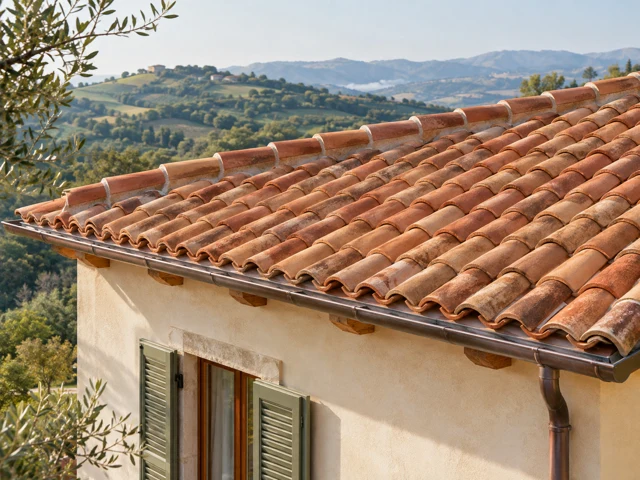
The first appointment depends on two different entrances
Illustrative scenario, not a completed project.
A Pescara homeowner wants to know whether roof work should precede renovation of a top-floor room. They have photographs from the courtyard and an unmeasured drawing, but the terrace is reached through another flat. Before booking, they mark the doors, who can open them and which part of the ceiling needs to be seen. They ask what the surveyor can establish on the first visit. If another access appointment is needed, they want to know which decision has to wait. The survey is organised around a concrete question and the parts of the building that will actually be available.
Explain why you need the visit
A roof survey can start with a leak, a noise after strong wind, an assessment before buying or a plan to renew the covering. Write one sentence describing the decision you need the survey to inform. Add whether the issue is recent, recurrent or previously repaired. For a home in Pescara, mention the type of building and whether the rooms below the roof are occupied. If the roof serves several homes or includes a terrace in use, explain who can give access to each area. A clear purpose helps the surveyor prepare, particularly when evidence needs to come from indoors and outside and some details of the roof are hidden.
Draw a plan with a few landmarks
Use an existing plan or sketch the orientation, affected rooms and main roof sections. Mark any slopes, terraces, rooflights, chimneys and outlets you know about. For each photo, record where you stood and which way you looked. A ceiling photo with a recognisable feature is easier to match to a place on the roof. If conditions changed after rain or wind, include the date and circumstances. Take measurements only from places already accessible and safe. The visit can establish actual dimensions and conditions, so a legible sketch is enough to prepare for it. Mark the details you are unsure about as assumptions so they can be checked.
Collect records you actually have
Look for drawings, pictures of previous work, material sheets, roof window references and repair notes. For an altered building, try to distinguish original sections from additions. Note whether a problem appeared after work or went away for a while. If there are no records, explain what you remember and how certain you are. The most useful information helps identify layers or locate junctions. Bring any access instructions shared by the building manager. An old document can be a reference without accurately representing current conditions. Ask the surveyor to state which information was confirmed on site and which details still depend on checking another part of the building.
Clarify access and limits before the appointment
Explain how to reach the rooms, yard and shared spaces. Mention pets, ground-floor activities and routes that need coordination. Describe any roof access you know about and let the professionals decide how to inspect it. Ask whether the first visit is a visual survey or if other checks will need specific access and arrangements. If an indoor area shows visible distortion or water near electrical equipment, report it promptly and stay clear. Avoid trying to clear a route by entering unsafe areas. For planning the visit, say which places can be reached in the ordinary way and which have an access restriction.
Ask for a result you can use for the next decision
At the end, ask for the points inspected, photographs, defects and anything needing further checks. If the survey informs quotes, identify areas on the same plan and ask which measurements the offers should use. For a leak, ask for the suspected route and what evidence could confirm it. Record who will propose the next step and what needs to be ready first. Keep the drawings and notes with the survey result. A clear record lets you resume the discussion if the scope changes, another person needs to understand the problem or the condition of the roof changes before work begins.
Pescara · Distance and local guide coverage ↗
How we prepare the guides: sources and illustrative scenarios