 Casa Pescara
Roofing · 4 min
A roof near the sea in Pescara: assessing salt exposure
Prepare useful observations and questions for a roof survey on the Pescara coast, including exposed metalwork and past repairs.
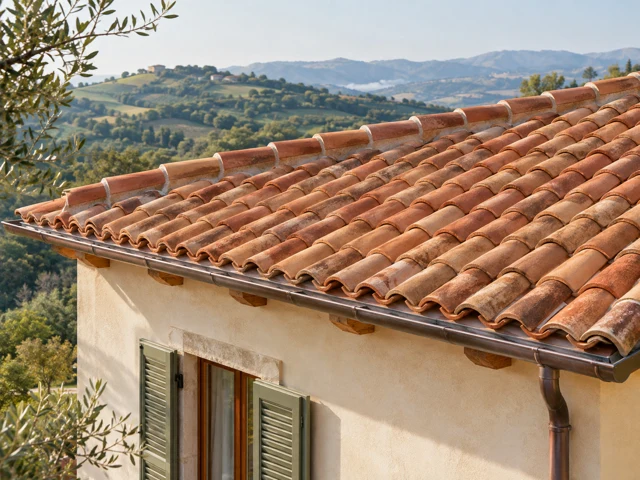
Two sides of the same home
Illustrative scenario, not a completed project. A Pescara homeowner notices a change in the gutter edge facing the sea but sees nothing similar from the yard. Photos from earlier work show that the two gutters were replaced at different times. At the survey she wants the separate lengths and materials identified before deciding whether to renew more of the roof. She brings dated pictures taken from the ground and asks which section can be examined during the visit, which products still need to be identified and how the contractor will assess the point where any new parts meet the existing ones.
Start with the position of the building
Two homes at the same distance from the sea can face different conditions. For a house in Pescara, tell the surveyor which elevations face the coast and which have some shelter from buildings or vegetation. Note any changes you have seen in visible trim, guttering or the edge of a terrace. A photograph from a safe position at ground level can help if you have an earlier image from the same spot. Add the date and identify the elevation. Look for records of repairs that may have used different materials on different sides. These observations help the surveyor decide what needs inspection and whether the problem is confined to a particular section. Leave examination of the roof covering and high junctions to the team with a suitable means of access.
Ask which components are exposed
Have the surveyor identify the metalwork being assessed and show where it meets tiles, walls or other materials. Ask what can be seen during the visit and what still needs a closer look. Find out which components the proposal would retain. When new parts are suggested, ask the supplier how their suitability for the actual exposure will be assessed and what care information comes with them. Show any records of earlier repairs, especially when the work meets a section that will remain. A product reference and finish are more useful than a generic name for the metal. Ask for those references to be recorded against the location of each component. A future inspection may concern only the edge facing the sea or one short stretch of gutter rather than the full roof.
Compare the same edges in every proposal
A roofing estimate may describe the covering in detail and give less information about the edges. Look for gutters, wall junctions and the sections where a new component will meet one that stays. Put the areas included in each proposal on the same drawing, with any checks that have to wait for the work to begin. Ask how each contractor has accounted for the actual exposure and for access. A local repair may be a sensible option when the condition is confined and the surrounding parts have been assessed. A larger proposal should identify the findings that support its scope. Record any differences in material and care requirements alongside the areas being treated. You can then see what changes on the roof and what should be checked as the new components age.
Keep a record for the next inspection
Ask the roofing team for photographs linked to an elevation or a visible feature. File the care information for the products actually fitted and ask how the exposure found on site should inform future professional checks. If the roof is shared, agree who keeps the documents and where people should send observations. After the work, record any change you can see from an accessible location and compare it with the earlier pictures. Give the date, the side of the building and a clear description when requesting a visit. If the coastal home is occupied only part of the year, say when indoor access is available. A short record with locations and product references is easier to use than a collection of photographs with no indication of which section they show.
Pescara · Distance and local guide coverage ↗
How we prepare the guides: sources and illustrative scenarios