 Casa Pescara
Roofing · 4 min
Apartment building roofs in Pescara: preparing for work
From the first report to scheduling, organise the survey, access arrangements and records to share with the building manager.
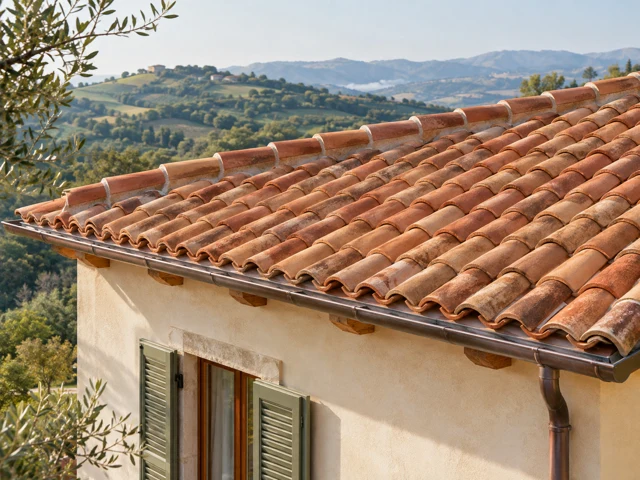
Three residents describe three places in the same building
Illustrative scenario, not a completed project.
In an imagined apartment building in Pescara, one resident reports a mark over a bedroom, a neighbour sees an overflow in the yard and someone else remembers work by a rooflight. The messages arrive at different times and use different names for the same side of the building. The manager puts dates and photographs on one plan and asks which areas the surveyor needs to reach. Before discussing repairs or dates, the manager establishes who can open each access point. The immediate decision is to assemble comparable reports while leaving the surveyor to establish whether they describe one defect or several.
Describe the problem with comparable information
A resident on the top floor may first see a mark indoors, while somebody else notices water in the courtyard. Collect reports with dates, locations and photographs taken from safe positions. Note when it rained or when another event occurred and what has already been done. For an apartment building in Pescara, ask the manager which roof records are available and how reports should be shared. Use a plan or sketch to distinguish apartments, terraces and common areas, and mark uncertain information as such. A map helps people review symptoms that initially seem separate. Leave it to the professional to establish whether they are related or need separate investigation.
Plan access around the building as it is used
A survey can require access to rooms below the roof and outdoor areas at different times. Establish who opens each space, which routes can be used and when relevant areas are available. Mention ground-floor activities, service routes and passages used by residents or visitors. Have professionals decide how the roof itself can be inspected. If you suspect material could fall or water reaches electrical equipment, report it promptly and stay away from the affected area. The person coordinating the visit can collect photographs and access information without asking residents to climb. Record which areas could not be inspected and how they will be checked.
Bring a proposal people can follow
Ask the technical report to describe the roof condition, defects, areas still to examine and possible work. A picture with numbered locations can be easier to discuss than a quote with one line. For a local repair, ask what happens to adjacent details. For wider work, separate the covering, layers below, metalwork and items to be removed or reinstated. Ask what still needs checking and how it can affect quantities and timing. Questions about ownership, permissions or cost allocation can be checked by the manager and relevant professionals using the specific records. Keep the description of the proposed work connected to the survey findings.
Coordinate notices and work in one schedule
A shared roof can sit above occupied rooms, entrances, yards and parking. Ask which routes will be restricted, when spaces must be available and how weather delays will be communicated. Identify who answers questions and how residents can report a change during work. If equipment serving several flats needs to come off, establish who arranges reinstatement and how any interruption will be announced. Include moments when an inspection is needed before a roof section is covered. A practical notice gives the location, approximate timing, affected access and who to contact if conditions in a flat change while the roof work is under way.
Keep a file for the next inspection
At handover, collect photographs, product sheets, areas checked and work actually completed. Ask for a record of what remains from the previous roof and what should be checked later. If a ceiling problem led to roof repairs, link the position indoors with the repair location and establish when drying will be assessed. Make a copy available to whoever manages the building later. For a new report, compare the date and location with the earlier information. This helps identify whether the symptom relates to a recently repaired detail or a different part of the roof, and which professional should examine it. Clear records remain useful after the building changes managers.
Pescara · Distance and local guide coverage ↗
How we prepare the guides: sources and illustrative scenarios